
There are several cross currents in markets as we say goodbye to summer vacation, if not yet summer itself, and move into the fall months. On the positive side of the ledger, we have the continued capex boom driven by the build-out of AI and some of its adjacent technological revolutions, from advanced robotics to sweeping transformations in defense and space as we step closer to an ever more science-fiction-like future.
On the flip side, geopolitical tensions continue to complicate an already muddled inflation picture. Markets remain vulnerable to the whipsaw action in energy prices and the potential long-term risks of drawing down global petroleum inventories.
Amid periodic disturbances in the force that is the AI revolution, the second quarter earnings season provided welcome comfort for the bulls on the demand side. Concern regarding business models, funding, and the ultimate returns on investment will inevitably wax and wane, causing volatility for investors, as is typical with any major technological breakthrough. However, 2Q earnings season did bring some comfort. NVIDIA, for one, looked ahead to 2027 and called out accelerating demand alongside a broadening out of their customer base; welcome news on the “what next” front.
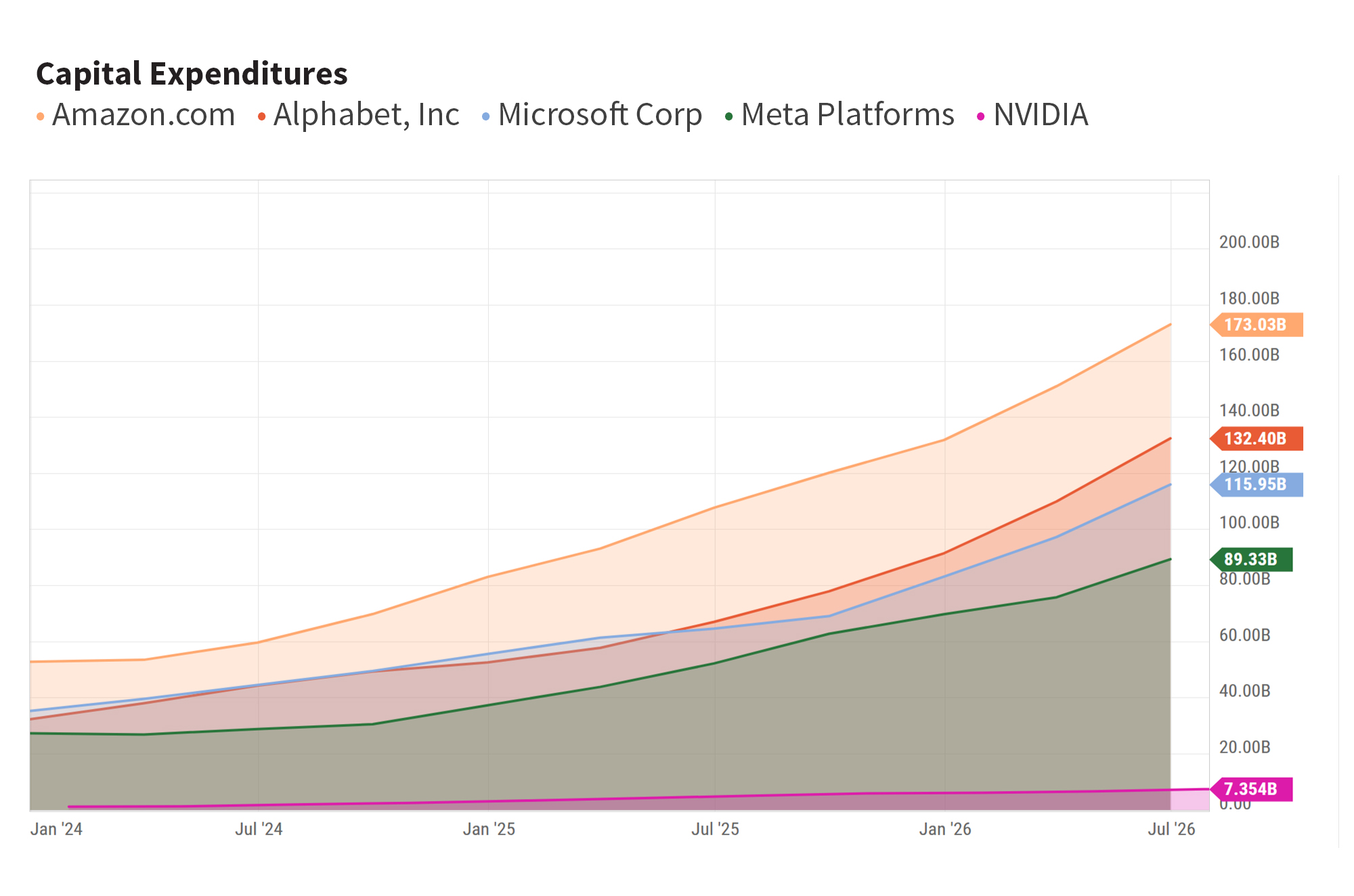
Below is a chart of capex for the major hyperscalers. While not aggregated it shows a steady move up and to the right for the major players. In 2027 consensus is for close to $1 trillion in capex vs the $509 billion trailing-twelve-month spend forecast as of May, 2026. The concern over capex slowing has yet to manifest in expected forward capex.
Meanwhile, Federal Reserve Chair Kevin Warsh gave a speech at Jackson Hole that leaned hawkish, reaffirming the central bank's steadfast commitment to subduing inflation. The stance helped clarify earlier confusion among analysts, particularly following Treasury Secretary Scott Bessent’s surprise long-end debt buyback, a strategy implemented without much advance warning, as far as we can tell, to the Federal Reserve itself.
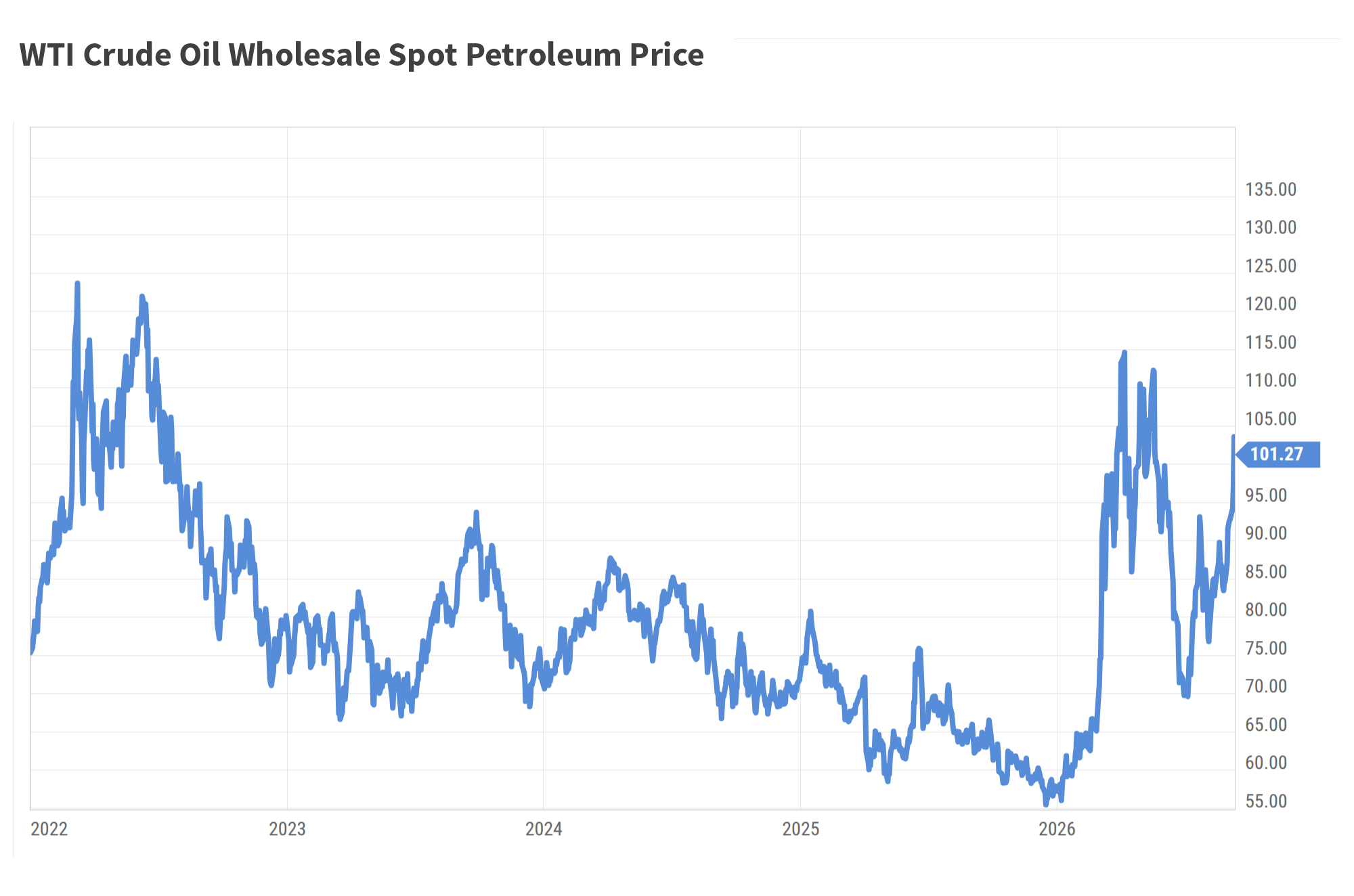
The tensions between growth and inflation have persisted this year, as inflation remains stubbornly sticky, occasionally ameliorated by sharp drops in energy prices. The underlying issue of oil transportation remains problematic, and the higher inventories and strategic stockpiles are no longer sufficient to backstop a cessation of traffic along the critical route through the Strait of Hormuz. As the oil chart below shows, the dip coincided with the Memorandum of Understanding between Iran and the US, and while that is no longer in effect, prices remain lower than at the start of the crisis, although higher than the 3 year average before the crisis. Events have moved quickly, and WTI is now sitting around $100, data for the chart still reflects last week.
While some oil is transiting, it isn’t enough to bring prices down, and refined products are experiencing regional shortages and price spikes. Recent moves in the Red Sea have impacted the pipeline there that was serving as an alternate route for oil exports from the Strait of Hormuz, which has added to elevated oil prices globally. Other goods that transit through the Strait pose their own risk to elevated inflation, as fertilizer and industrial gasses needed for semi-conductor manufacturing are also stuck because of the hostilities in the region.
It is a difficult spot for the Federal Reserve to be in. A drop in energy prices would help the inflation trajectory, but raising short-term interest rates is not likely to lower energy prices, and it’s not guaranteed to lower demand. Higher rates are more likely to hurt the housing market and consumers than help them, making it a delicate dance to get right.
Higher rates also carry a much higher cost, not just to the US government but for governments around the world. Very high debt loads on the global economy are not unique to the US, which makes the problem all the more intractable as the need to pay interest on outstanding debt becomes a larger and larger problem for governments across the globe.
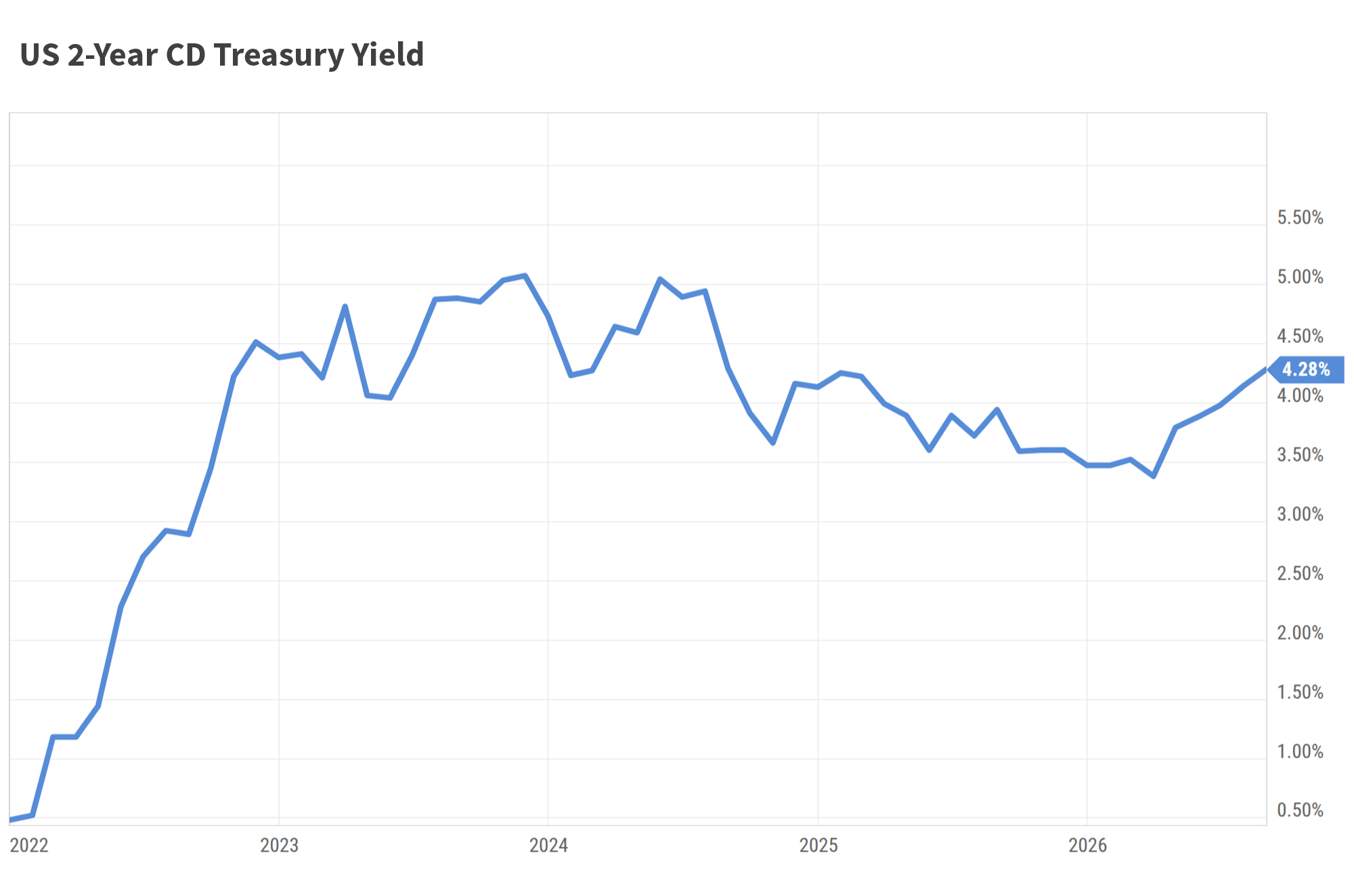
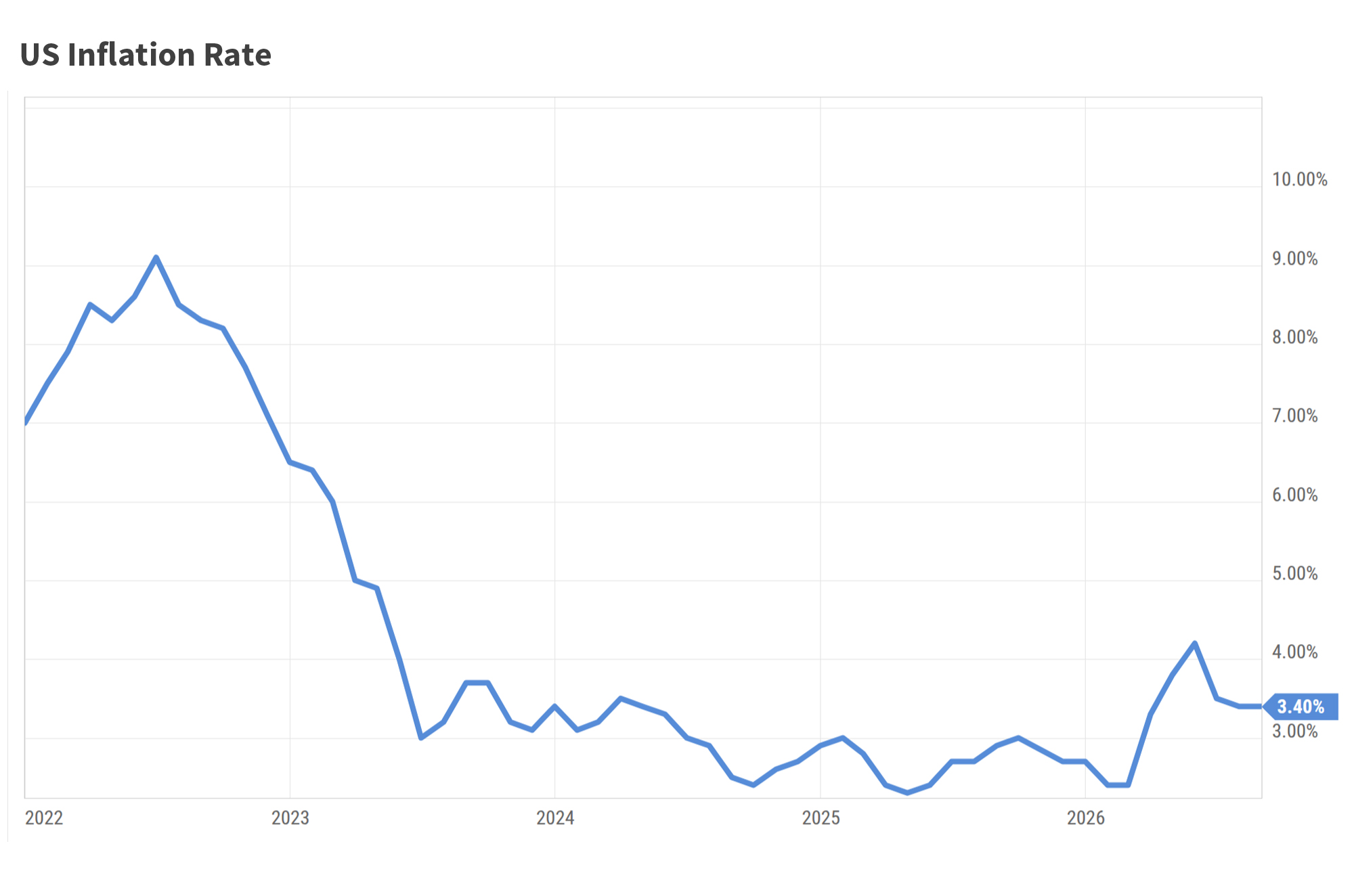
Looking at the rise in the 2 year yield alongside the recent move lower in the Consumer Price Index, Chair Warsh’s speech made his feelings on inflation clear; it’s still too high, has been for 65 months, and tackling it is the responsibility of the Federal Reserve. Expectations of a hike in September and a hike in December of this year both moved markedly higher on the WIRP (World Interest Rate Probability) chart compiled by Bloomberg. Odds of a rate hike for the September 16th Fed meeting has been climbing and currently sits at over 90%.
The AI revolution requires an enormous amount of capex, some from cash flow, some from equity and some from debt. That debt gets more expensive as rates rise which is a problem for the large companies that were free cash flow positive and have, for the most part, swung into negative territory.
Given this backdrop it is not hard to see how the AI story can get caught up in, or subsumed by, a combination of potentially higher rates and potentially lower costs from international competition like China. Hence the volatility that comes with concern about lower token prices or lower-level chips needed for “doing” vs “training”. Expect that question to come up again, along with “where will we put all the data centers we need” question as States and local governments become more restrictive in their permitting.
The initial equity reaction to the speech at Jackson Hole was fairly benign, although heightened tensions, a resumption in kinetic activity in the gulf and calls by AI insiders to slow development may create a meaningful rise in volatility, we shall see how that plays out with the economic data.
For now the earnings story is carrying the day, and we remain committed to staying with companies that can both innovate, manage through technological change and maintain solid balance sheets while doing so, across the various strategies we manage.
The information in this commentary has been obtained from sources believed to be reliable, but its accuracy and completeness are not guaranteed. The opinions, estimates and projections constitute the judgment of Alpine Saxon Woods and are subject to change without notice. This commentary is for information purposes only and is not intended as an offer, recommendation or solicitation for the sale of any financial product or service or as a determination that any investment strategy is suitable for a specific investor. Investors should seek financial advice regarding the suitability of any investment strategy based on the investor’s objectives, financial situation and particular needs. The investments or investment strategies discussed herein may not be suitable for every investor. There is no assurance that any investment strategy will be successful.